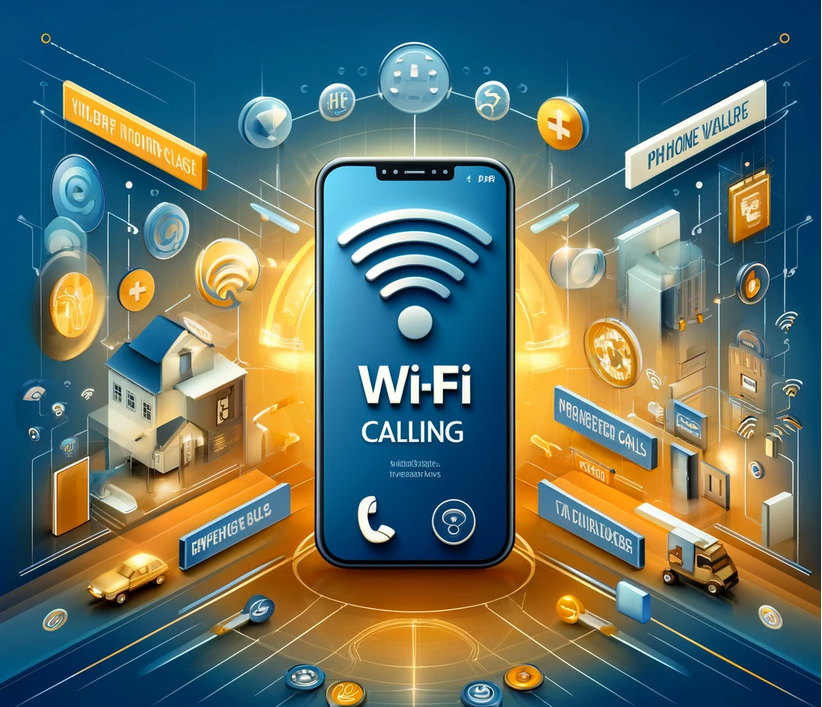
Welcome to our latest tech guide, where we're diving into the world of Wi-Fi Calling - a game-changing feature for smartphone users everywhere. Wondering what Wi-Fi Calling is and how it works? You're not alone! This innovative technology allows you to make and receive calls over a Wi-Fi network, offering a lifeline in areas with poor cellular reception. From understanding the basics to unraveling the most frequently asked questions, we've got you covered. Stay tuned as we explore everything you need to know about Wi-Fi Calling, ensuring you're always connected, no matter where you are. Let's demystify the tech and make staying in touch easier than ever!
.
What is Wi-Fi Calling?
Wi-Fi Calling is a technology that enables voice calls and text messages to be transmitted over Wi-Fi networks instead of traditional cellular networks. This feature is a boon for users who find themselves in areas with weak or no cellular reception, as it allows for clear, high-quality calls and messages by leveraging available Wi-Fi connections. Here's a breakdown of its key points:
How does Wi-Fi Calling work?
When you use Wi-Fi Calling, your phone automatically routes your calls and texts through any available Wi-Fi network instead of using the cellular network. This process is seamless; once enabled on your device, it automatically switches to Wi-Fi Calling in areas of poor cellular coverage.
How to enable Wi-Fi Calling on Android & iPhone devices?
Activating Wi-Fi Calling on both Android and iPhone devices can significantly improve your calling experience, especially in areas with weak cellular reception. Here's a straightforward guide on how to enable Wi-Fi Calling for both platforms, ensuring you stay connected with clear calls, regardless of cellular signal strength.
For Android Devices:
- Open the Phone App: Start by opening the dialer or phone app on your Android smartphone.
- Access Settings: Tap on the three dots in the top right corner to open the menu, then select 'Settings'.
- Find Wi-Fi Calling: Scroll down to find the 'Wi-Fi Calling' option. The exact location might vary depending on the manufacturer of your device (Samsung, Huawei, etc.), so you might also need to look under 'Connections' or 'Network & Internet'.
- Enable Wi-Fi Calling: Toggle the Wi-Fi Calling switch to 'On'. You might be prompted to enter your address for emergency services. This is a regulatory requirement in some regions.
If you want to see how to Enable/Disable Wi-Fi Calling on Android devices CLICK HERE
For iPhone (iOS) Devices:
- Go to Settings: On your iPhone, open the 'Settings' app.
- Select Phone: Scroll down and select 'Phone' from the list of options.
- Activate Wi-Fi Calling: Tap on 'Wi-Fi Calling on This iPhone'. Then, switch the 'Wi-Fi Calling on This iPhone' toggle to the 'On' position.
- Confirm Setup: You may need to confirm your address for emergency services. Follow the on-screen instructions to complete the setup.
If you want to see how to Enable/Disable Wi-Fi Calling on iPhone devices CLICK HERE
Things to Remember:
- Check Carrier Support: Ensure your mobile carrier supports Wi-Fi Calling. Most carriers do, but features can vary.
- No Extra Cost: Wi-Fi Calling is typically included at no additional charge, but it's a good idea to check with your carrier regarding any potential costs or limitations.
- Wi-Fi Connection Required: Obviously, you need to be connected to a Wi-Fi network for Wi-Fi Calling to work.
- Device Compatibility: Not all smartphones support Wi-Fi Calling, so check if your device is compatible.
By following these steps, you'll be able to make and receive calls over a Wi-Fi network, bypassing the need for a strong cellular signal. This feature is a lifesaver in buildings with poor reception or in areas where cellular coverage is spotty.

Is Wi-Fi Calling Free?
Here's the deal: Wi-Fi calling itself does not typically incur additional charges from most carriers. This means you can call your heart out (and text while you're at it) without worrying about extra fees, as long as you're connected to Wi-Fi. However, the "free" aspect comes with a few caveats worth noting:
- Domestic Calls: In the realm of your home country, Wi-Fi calls to local numbers usually don't cost extra and are treated like regular minutes on your plan. So, if you have unlimited calling, you're in the clear.
- International Calls: This is where it gets a bit tricky. Calls made over Wi-Fi to numbers outside your country might still be subject to international rates, depending on your carrier's policy. Always check the fine print before you start globetrotting via your contacts list.
- Data Usage: While Wi-Fi calling doesn't eat into your cellular data allowance, it does use a slice of your Wi-Fi data. Keep this in mind if you're connected to a metered Wi-Fi network, though for most home and public networks, this isn't a concern.
Carrier Policies May Vary
It's crucial to highlight that policies around Wi-Fi calling can differ from one carrier to another. Some might offer it as a complimentary feature, while others could have specific requirements or limitations. Always check with your carrier for the most accurate and up-to-date information regarding Wi-Fi calling availability and costs.
Wi-Fi calling can be a cost-effective way to ensure you're always connected, especially in areas where cell service is more of a myth than a reality. For most users, it's a free feature that enhances call quality without dipping into their wallets. However, as with all things tech, it pays to do your homework and understand your carrier's specific policies to avoid any unexpected charges.
Does Wi-Fi calling work internationally?
Calling does work internationally, and it can be a game-changer for travelers wanting to stay connected without incurring the high costs traditionally associated with international roaming. Let's dive into the international capabilities of Wi-Fi calling and how you can leverage this feature to stay connected across borders without breaking the bank.
How Wi-Fi Calling Works Internationally?
When you use Wi-Fi calling on your smartphone, your calls and texts are transmitted over the internet through a Wi-Fi connection instead of relying on cellular networks. This functionality remains the same, whether you're cozy at home or exploring a bustling market halfway across the world. Here's why Wi-Fi calling is particularly appealing for international travelers:
- Avoid Roaming Charges: One of the most compelling reasons to use Wi-Fi calling while abroad is the potential to avoid expensive international roaming charges. With Wi-Fi calling enabled, you can make calls and send texts as if you were still in your home country, depending on your carrier's policies.
- Make Calls to Your Home Country: Typically, calls made to numbers in your home country using Wi-Fi calling are treated as domestic calls and not subject to international calling rates. This means you can call back home to check on family or connect with friends without the fear of racking up hefty charges.
- Receive Calls Without Extra Cost: Not only can you make outbound calls via Wi-Fi calling, but you can also receive calls. This is particularly useful if you want to remain reachable on your usual number without the need for your contacts to use international dialing.
Important Considerations for International Wi-Fi Calling
- Carrier Policies Vary: The availability, policies, and potential costs associated with Wi-Fi calling, especially internationally, can vary significantly between carriers. Some may offer it as a free feature, while others may have restrictions or specific charges for international use. It's crucial to check with your carrier for their specific Wi-Fi calling policies before you travel.
- Internet Connection Dependency: The quality of your Wi-Fi calling experience will depend on the strength and stability of your Wi-Fi connection. In some remote or underdeveloped areas, finding a reliable Wi-Fi connection can be a challenge.
- International Calls to Non-Home Country Numbers: If you make a Wi-Fi call to a country that is not your home country, standard international rates may apply. For instance, if you're a US traveler in Italy using Wi-Fi calling to phone a local Italian restaurant, this call might incur international charges.
- Emergency Services: When abroad, emergency calls made over Wi-Fi might not connect to local emergency services, or your location information may not be transmitted accurately. It's advisable to use traditional cellular networks or a local phone for emergency calls while outside your home country.
How to Use Wi-Fi Calling Internationally?
To use Wi-Fi calling internationally, ensure your smartphone has Wi-Fi calling enabled (this can typically be found in the settings menu under "Phone" or "Connections"). Once enabled, as long as you're connected to a Wi-Fi network, your phone will automatically use Wi-Fi calling for inbound and outbound calls. It's that simple!

What are the advantages & disadvantages of Wi-Fi calling?
Wi-Fi calling has become a popular feature for smartphone users, offering a convenient alternative to traditional cellular calling, especially in areas with poor cell reception. Let’s break down the advantages and disadvantages of using Wi-Fi calling to help you decide whether it's the right choice for your connectivity needs.
Advantages of Wi-Fi Calling
- Enhanced Coverage in Poor Signal Areas: One of the primary benefits of Wi-Fi calling is its ability to provide clear voice calls in areas where cellular signals are weak or non-existent. This is perfect for buildings with spotty reception or rural areas far from cell towers.
- No Additional Cost: For most carriers, Wi-Fi calling doesn't incur extra charges. Calls made over Wi-Fi often count towards your regular plan minutes, meaning you can make domestic calls without worrying about extra fees. Always check with your carrier for specific policy details.
- Convenient International Calls: When traveling abroad, Wi-Fi calling can be a cost-effective way to make calls back to your home country without the hefty fees associated with international roaming or long-distance charges.
- Seamless Usage: Wi-Fi calling integrates smoothly with your phone’s dialer. There’s no need for a separate app; once enabled, your phone automatically switches to Wi-Fi calling when the cellular signal is weak.
- Quality Improvement: Calls made over Wi-Fi often have better voice quality, especially in HD voice-supported devices and networks, providing clearer and more natural-sounding audio.
Disadvantages of Wi-Fi Calling
- Dependent on Wi-Fi Quality: The biggest limitation of Wi-Fi calling is its dependency on the quality of your Wi-Fi connection. A poor or unstable Wi-Fi network can lead to dropped calls, delays, or poor call quality.
- Limited Availability and Compatibility: Not all mobile carriers support Wi-Fi calling, and some older devices may not be compatible with this feature. Additionally, certain prepaid plans might not include Wi-Fi calling.
- Potential for Data Usage Charges: While Wi-Fi calling itself doesn’t use your cellular data, it does consume Wi-Fi data. If you’re connected to a metered Wi-Fi network, you could incur extra charges from your internet service provider.
- Emergency Services Limitation: When making emergency calls via Wi-Fi calling, there can be limitations in accurately transmitting your location to emergency services. It's always recommended to provide your location verbally during emergency calls.
- International Calling Restrictions: While Wi-Fi calling to your home country is often included, calling other international numbers might be charged at standard international rates. Always verify with your carrier before making international calls over Wi-Fi.
Is Wi-Fi Calling Right for You?
Wi-Fi calling is a valuable feature for those who often find themselves in areas with weak cellular signals or for anyone looking to reduce their phone bill through international calls. However, it's essential to consider the quality of your Wi-Fi network and verify the specifics of your carrier’s Wi-Fi calling policy. For many, the benefits of enhanced call quality and coverage in hard-to-reach places outweigh the potential downsides, making Wi-Fi calling a worthwhile feature to enable and use.
What Happens to Your Business Number When a Work Phone Is Lost, Stolen or Replaced?
What happens to your business number depends on where it lives. If the number is tied to the SIM in the lost phone, it stops working for you until the carrier issues a replacement SIM or eSIM, and calls from customers go nowhere in the meantime.
If the number lives in a cloud phone account instead, losing the phone doesn't take the number with it. Calls can ring the rest of the team straight away, and the employee signs into the calling app on a new phone to pick up where they left off, with their call history and voicemails still in the account.
Cricfy APK Download Latest Version For Android
Cricfy is a sports streaming application designed for users interested in watching live sports and following different sporting events. Its main focus is to provide convenient access to sports-related content through a mobile-friendly platform.
Cricket is an important part of its appeal, particularly for viewers who enjoy international matches, domestic competitions, and major cricket tournaments. Depending on the available content and supported sources, users may also find football and other sports-related options.
The application is particularly interesting for people who prefer watching sports on their Android devices rather than sitting in front of a television.
Uniwin-Global Rockchip Embedded Motherboards: Sourcing from China for MOQ, QC, Export and Technical Support
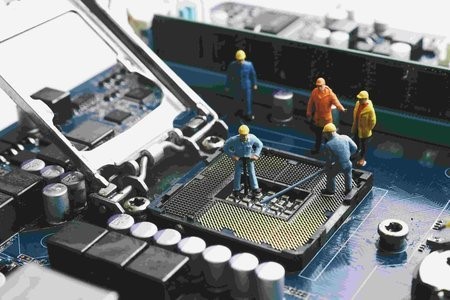
Sourcing Rockchip motherboards from China is a procurement question, not a price search. The seven things that actually decide whether a supplier works: pricing that scales with order size, a quality floor you can verify, export terms you can clear, a sample path that starts below the MOQ, technical support that answers, and engineering that catches integration issues before they cost you a quarter.
Uniwin-Global is the running example. The company has built Rockchip boards since 2016 [3], the current flagship is the RK3588 M588 with a 6 TOPS NPU [1], and the site lists 20+ countries served and 200+ projects delivered [4]. The published quality baseline is a sub-1% defect rate with a 1-year motherboard warranty, and the service baseline is a 2-hour response and 48-hour resolution [5, 6].
Two other supplier lanes exist: multi-platform makers that quote Rockchip alongside Allwinner and others, and dev-kit sellers that sell a reference board at a low price. Each lane fits a different stage of the project. The wrong lane is more expensive than the right one at the same unit price. Pick the lane first. The price follows.
One caution. A product page is a claim. The MOQ, the trade term, the QC gate and the SLA all need to be in writing before the PO is signed.

How to Build a HIFU Product Line That Distributors Can Manage
Every HIFU variant a distributor adds brings its own cartridge bin, manual, training file, and spare-parts list. Product lines rarely get out of hand through planning. They grow one request at a time: a different housing color, a narrower cartridge, a regional plug for one important clinic. Eventually pricing can't be explained in one sentence, and cartridge orders split across codes that look almost identical.
This guide is for distributors, importers, and private-label buyers who stock HIFU systems for clinics and med spas and carry the after-sales work themselves. It covers how to group clinic demand, which differences deserve their own model code, how to price tiers against landed cost, and how to plan cartridge replenishment and service records around machines already in the field. The aim is a line chosen by what you can stock, train, and service, rather than by what clinics happen to ask for.
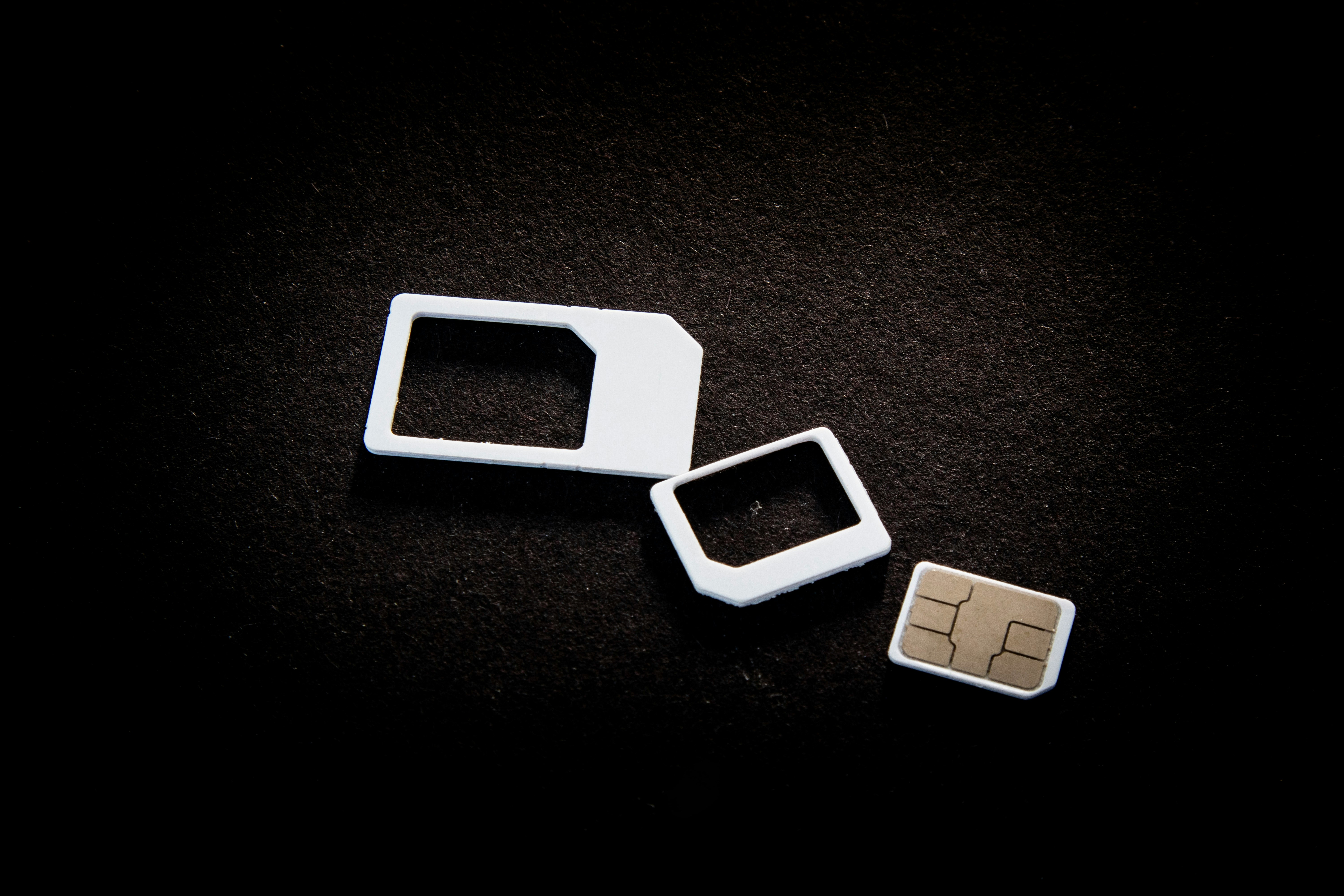
Check SIM Owner Details in Pakistan Official Guide
Phones have become an integral part of human life. From making calls to mobile banking and shopping and social media every function requires a sim card to get connected in Pakistan. A responsible person must know how many sim cards are registered under his CNIC and if they are verified or not. The Check SIM Owner Details Pakistan system enables you to ensure that your SIM cards are legitimate and registered under your details.
While searching for Fresh SIM Database, it is critical to understand that SIM card details are private and confidential, and only the owner can check them. This article will explain what SIM owner details are, why it is essential to verify them, how to check them officially, and why it is safer to avoid unverified sources for checking.
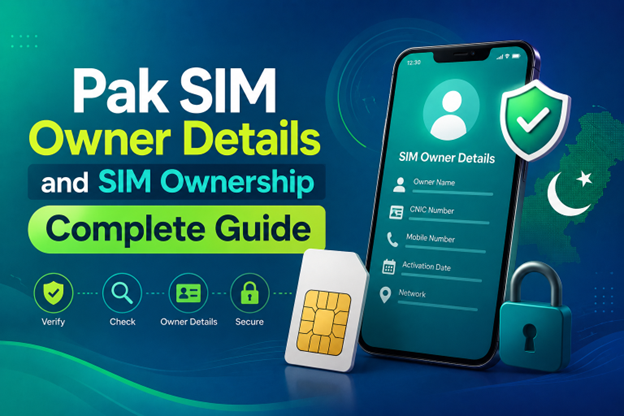
Pak SIM Owner Details and SIM Ownership Complete Guide
It becomes difficult to understand and navigate SIM card registration and ownership in Pakistan considering all the regulations and the amount of information that is available online. You may have gotten a new SIM card, or you might be curious about how many SIM cards are associated with your CNIC number; in any case, having an understanding of the process is critical.
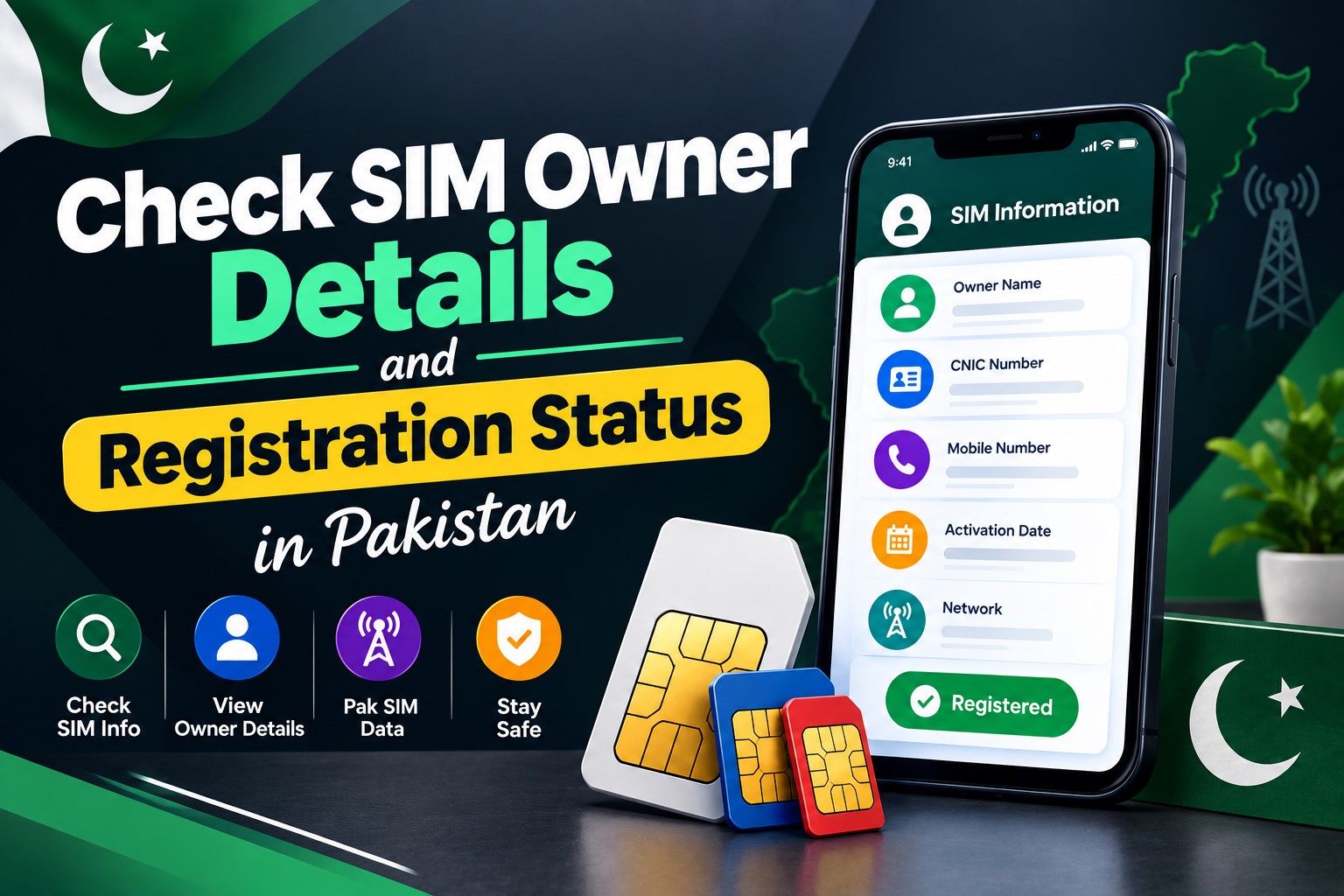
How to Check SIM Owner Details and Registration Status in Pakistan
Checking your SIM card details is very important in Pakistan today. Every mobile SIM card is directly linked to your CNIC number through thumb verification. Keeping an eye on your Pak Sim Owner Details protects your identity, stops scams, and makes sure nobody uses your name for wrong activities. Many people search for ways to check their Sim Owner Details 2026 status, see active numbers, and remove unused SIMs. This article explains how you can easily check everything yourself without any trouble.
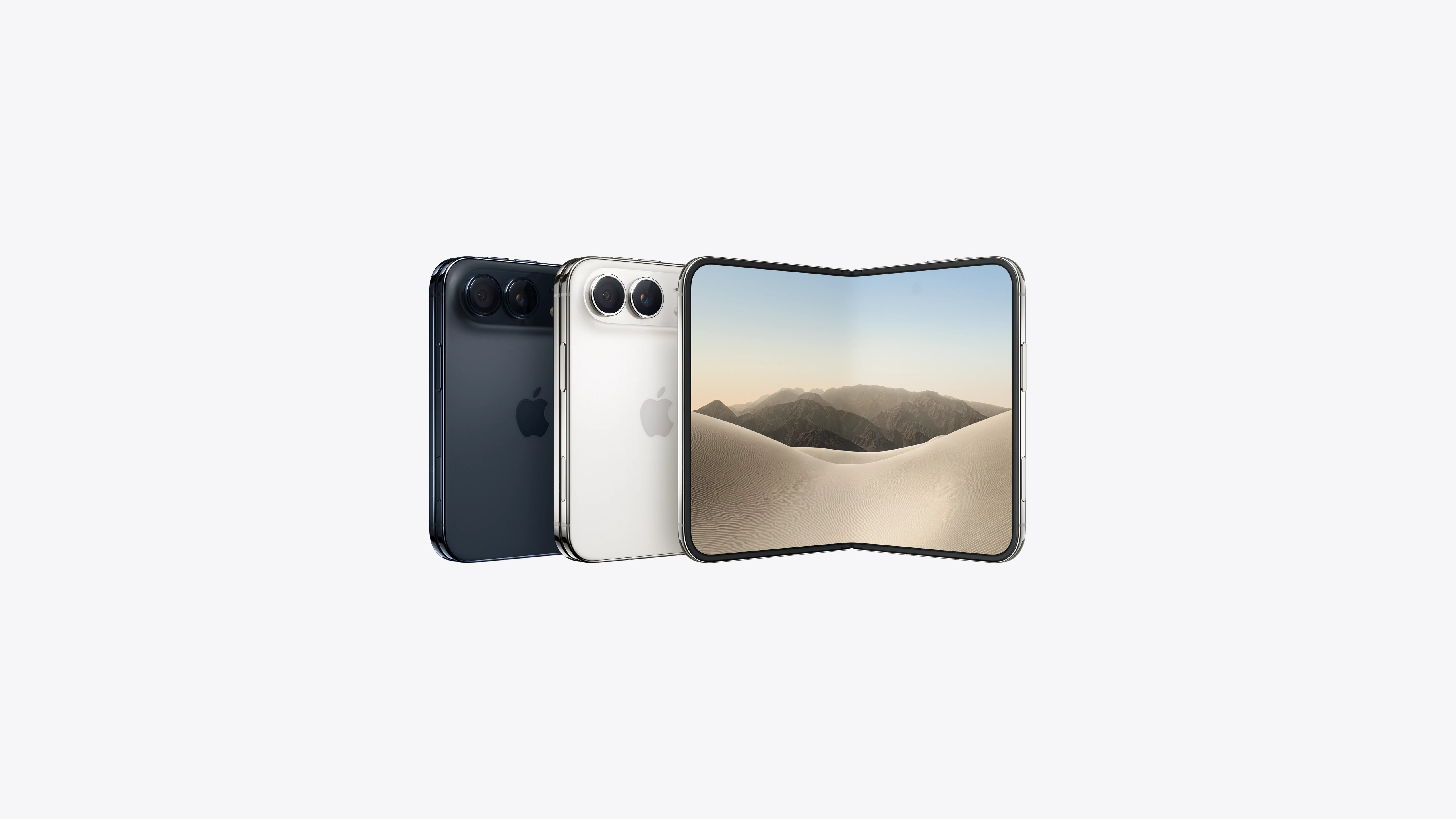
Apple iPhone Duo Review: Foldable iPhone Specs, Price & Features
Apple is entering the foldable smartphone market with the iPhone Duo, a premium foldable iPhone built around two displays, the A20 Pro processor, a titanium construction, dual 48 MP cameras and a redesigned iOS experience focused on multitasking. But the iPhone Duo is interesting for another reason as well. A folding phone is inherently more complex than a conventional smartphone. It has two displays, a precision hinge, multiple operating positions and completely new ways of using cameras and applications.
 CHECK IMEI