In the realm of modern connectivity, the choice between physical SIM cards and eSIM technology has become a pivotal decision for smartphone users worldwide. With each option offering its unique set of advantages and challenges, navigating this landscape requires careful consideration. Join us as we explore the nuances of physical SIM cards and eSIMs, dissecting their pros and cons to help you make an informed choice in an increasingly connected world.
In an era defined by connectivity, the debate between the traditional physical SIM card and the emerging eSIM technology has gained momentum. As smartphones and other devices become increasingly integrated into our daily lives, the choice between these two methods of accessing mobile networks has become more significant. In this article, we delve into the pros and cons of both options to help you make an informed decision in navigating the digital landscape.

What's the Difference?
Classic SIM Card
A Subscriber Identity Module (SIM) card is a small, removable card that stores data essential for connecting a mobile device to a cellular network. It contains information such as the user's phone number, network authentication details, and contacts. Physical SIM cards are widely used across the globe and are typically inserted into a dedicated slot on smartphones, tablets, and other compatible devices. They come in various sizes, including standard, micro, and nano SIM cards, catering to different device specifications. With their widespread adoption and ease of use, physical SIM cards have been the standard for mobile connectivity for decades, offering universal compatibility and tangible security benefits.
eSIM Card
Embedded SIM (eSIM) technology is a revolutionary approach to mobile connectivity that eliminates the need for physical SIM cards. Instead of a removable card, eSIMs are eSIM Card and SIM into the device's hardware, typically integrated into the motherboard or chipset. This allows for a more streamlined design, freeing up valuable space within devices for other components or features. One of the key advantages of eSIM technology is its flexibility, as users can easily switch between mobile carriers and data plans without the need for physical SIM cards. eSIMs can be provisioned remotely, enabling seamless activation and switching of carriers, making them ideal for travelers or individuals who frequently change providers. While eSIM adoption is still evolving, it represents the future of mobile connectivity, offering convenience, flexibility, and environmental sustainability.
Pros and Cons of Physical SIM Cards:
Pros:
- Universal Compatibility: Physical SIM cards are widely supported by most mobile devices and network carriers globally, ensuring broad compatibility.
- Ease of Use: Inserting and swapping physical SIM cards is a straightforward process, making it convenient for users who frequently switch between devices or travel internationally.
- Security: Physical SIM cards provide a tangible layer of security, as they can be physically removed from the device, reducing the risk of remote hacking or unauthorized access.
- Accessibility: Physical SIM cards are readily available from mobile carriers and third-party retailers, making them accessible to users without relying on specific device manufacturers or proprietary technology.
Cons:
- Limited Space: Physical SIM cards occupy physical space within the device, which can be a concern in devices with limited internal real estate, potentially impacting design and functionality.
- Susceptibility to Damage: Physical SIM cards can be prone to damage or loss if mishandled, leading to service disruptions and the need for replacements.
- Inconvenience: Swapping physical SIM cards between devices requires physically accessing the SIM slot, which may be inconvenient for users who frequently switch devices.
Pros and Cons of eSIM:
Pros:
- Space Saving: eSIM technology eliminates the need for a physical SIM card slot, freeing up valuable space within devices for other components or features.
- Remote Provisioning: eSIMs can be provisioned remotely, allowing for seamless activation and switching of mobile carriers without the need for physical SIM cards or visits to retail stores.
- Flexibility: With eSIM technology, users can easily switch between mobile carriers and data plans without the need for physical SIM cards, offering greater flexibility and convenience.
- Environmental Impact: eSIMs reduce the need for physical SIM cards, which contributes to the reduction of electronic waste and environmental footprint.
Cons:
- Limited Adoption: While eSIM technology is gaining traction, it is not yet universally supported by all devices and network carriers, limiting its availability and adoption.
- Compatibility Concerns: Some older devices may not support eSIM technology, requiring users to upgrade their devices to take advantage of this feature.
- Security Considerations: As eSIMs are embedded within the device, they may pose security risks if compromised, potentially leading to unauthorized access or tampering.

So what?
In summary, both physical SIM cards and eSIM technology offer distinct advantages and drawbacks, catering to different user preferences and requirements. While physical SIM cards provide universal compatibility and tangible security benefits, eSIM technology offers space-saving design, remote provisioning capabilities, and greater flexibility. Ultimately, the choice between the two depends on individual needs, device compatibility, and future technology trends.
As we continue to embrace the digital age, the debate between physical SIM cards and eSIM technology underscores the importance of choice and innovation in shaping our connected world. Whether you opt for the familiarity of a physical SIM card or embrace the versatility of eSIM technology, the evolution of mobile connectivity promises to redefine the way we stay connected, informed, and empowered in an ever-changing landscape. Choose wisely, and let your journey in the digital realm be guided by convenience, security, and seamless connectivity.
What Happens to Your Business Number When a Work Phone Is Lost, Stolen or Replaced?
What happens to your business number depends on where it lives. If the number is tied to the SIM in the lost phone, it stops working for you until the carrier issues a replacement SIM or eSIM, and calls from customers go nowhere in the meantime.
If the number lives in a cloud phone account instead, losing the phone doesn't take the number with it. Calls can ring the rest of the team straight away, and the employee signs into the calling app on a new phone to pick up where they left off, with their call history and voicemails still in the account.
Cricfy APK Download Latest Version For Android
Cricfy is a sports streaming application designed for users interested in watching live sports and following different sporting events. Its main focus is to provide convenient access to sports-related content through a mobile-friendly platform.
Cricket is an important part of its appeal, particularly for viewers who enjoy international matches, domestic competitions, and major cricket tournaments. Depending on the available content and supported sources, users may also find football and other sports-related options.
The application is particularly interesting for people who prefer watching sports on their Android devices rather than sitting in front of a television.
Uniwin-Global Rockchip Embedded Motherboards: Sourcing from China for MOQ, QC, Export and Technical Support
Sourcing Rockchip motherboards from China is a procurement question, not a price search. The seven things that actually decide whether a supplier works: pricing that scales with order size, a quality floor you can verify, export terms you can clear, a sample path that starts below the MOQ, technical support that answers, and engineering that catches integration issues before they cost you a quarter.
Uniwin-Global is the running example. The company has built Rockchip boards since 2016 [3], the current flagship is the RK3588 M588 with a 6 TOPS NPU [1], and the site lists 20+ countries served and 200+ projects delivered [4]. The published quality baseline is a sub-1% defect rate with a 1-year motherboard warranty, and the service baseline is a 2-hour response and 48-hour resolution [5, 6].
Two other supplier lanes exist: multi-platform makers that quote Rockchip alongside Allwinner and others, and dev-kit sellers that sell a reference board at a low price. Each lane fits a different stage of the project. The wrong lane is more expensive than the right one at the same unit price. Pick the lane first. The price follows.
One caution. A product page is a claim. The MOQ, the trade term, the QC gate and the SLA all need to be in writing before the PO is signed.

How to Build a HIFU Product Line That Distributors Can Manage
Every HIFU variant a distributor adds brings its own cartridge bin, manual, training file, and spare-parts list. Product lines rarely get out of hand through planning. They grow one request at a time: a different housing color, a narrower cartridge, a regional plug for one important clinic. Eventually pricing can't be explained in one sentence, and cartridge orders split across codes that look almost identical.
This guide is for distributors, importers, and private-label buyers who stock HIFU systems for clinics and med spas and carry the after-sales work themselves. It covers how to group clinic demand, which differences deserve their own model code, how to price tiers against landed cost, and how to plan cartridge replenishment and service records around machines already in the field. The aim is a line chosen by what you can stock, train, and service, rather than by what clinics happen to ask for.
Check SIM Owner Details in Pakistan Official Guide
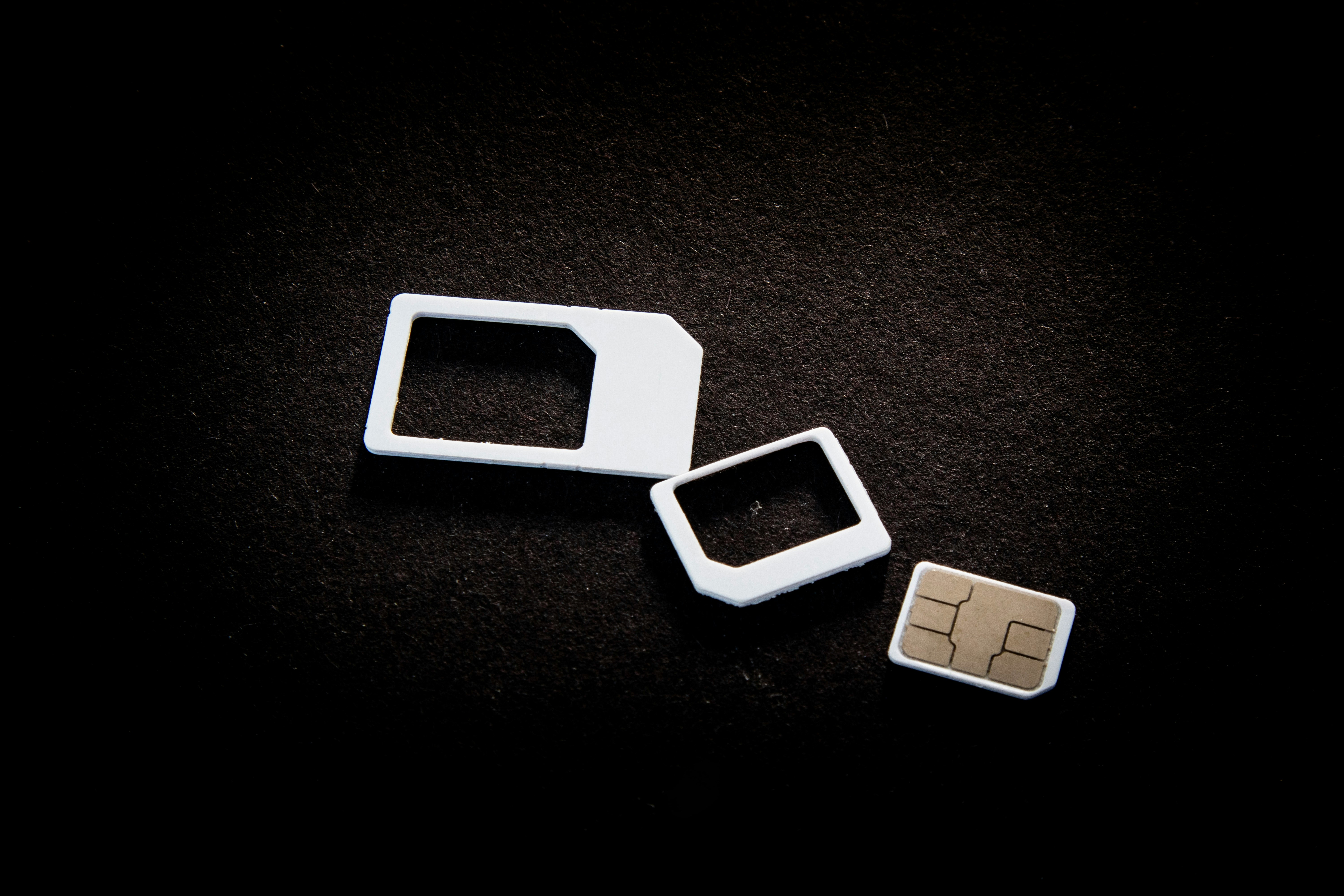
Phones have become an integral part of human life. From making calls to mobile banking and shopping and social media every function requires a sim card to get connected in Pakistan. A responsible person must know how many sim cards are registered under his CNIC and if they are verified or not. The Check SIM Owner Details Pakistan system enables you to ensure that your SIM cards are legitimate and registered under your details.
While searching for Fresh SIM Database, it is critical to understand that SIM card details are private and confidential, and only the owner can check them. This article will explain what SIM owner details are, why it is essential to verify them, how to check them officially, and why it is safer to avoid unverified sources for checking.
Pak SIM Owner Details and SIM Ownership Complete Guide
It becomes difficult to understand and navigate SIM card registration and ownership in Pakistan considering all the regulations and the amount of information that is available online. You may have gotten a new SIM card, or you might be curious about how many SIM cards are associated with your CNIC number; in any case, having an understanding of the process is critical.
How to Check SIM Owner Details and Registration Status in Pakistan
Checking your SIM card details is very important in Pakistan today. Every mobile SIM card is directly linked to your CNIC number through thumb verification. Keeping an eye on your Pak Sim Owner Details protects your identity, stops scams, and makes sure nobody uses your name for wrong activities. Many people search for ways to check their Sim Owner Details 2026 status, see active numbers, and remove unused SIMs. This article explains how you can easily check everything yourself without any trouble.
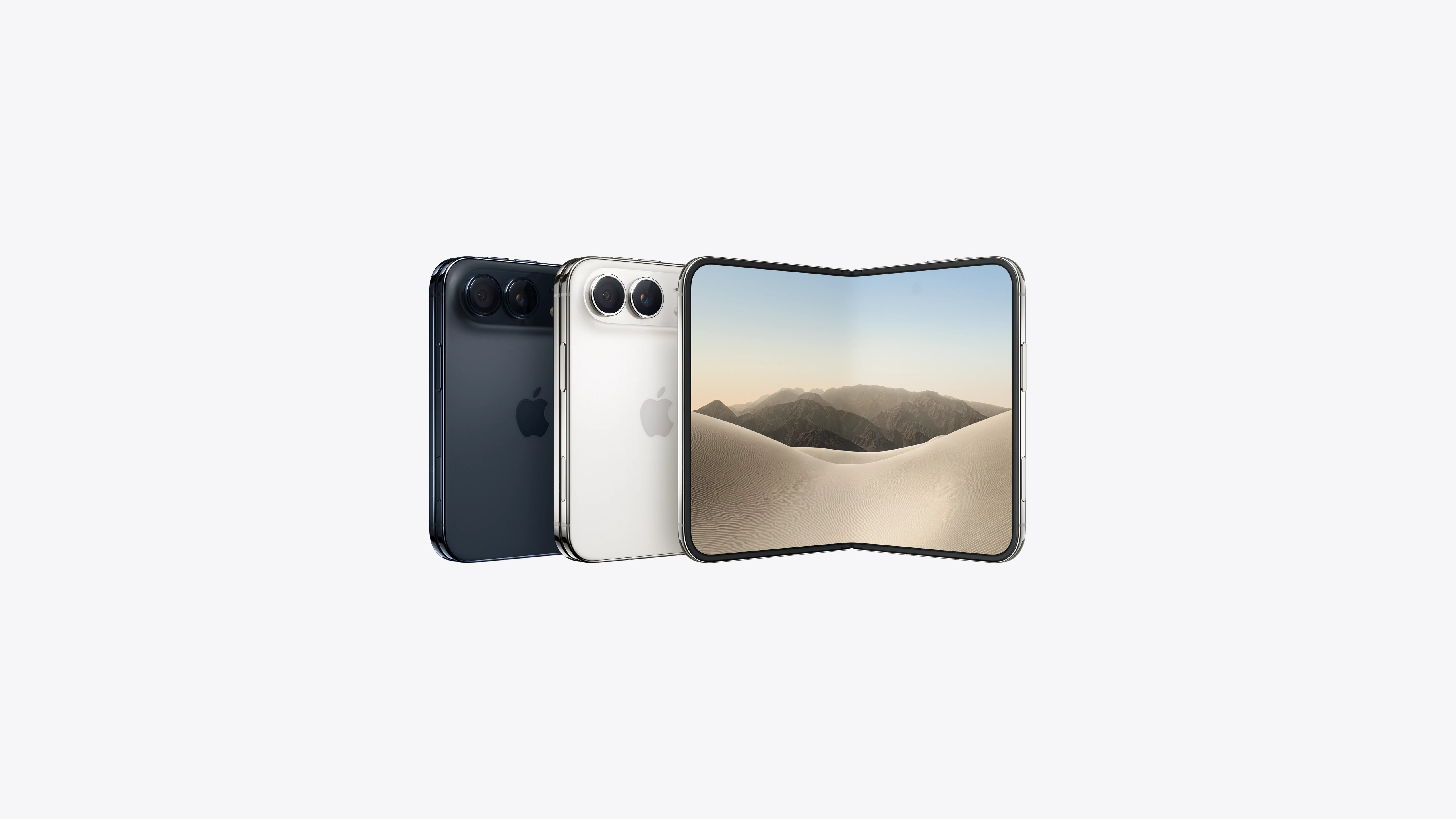
Apple iPhone Duo Review: Foldable iPhone Specs, Price & Features
Apple is entering the foldable smartphone market with the iPhone Duo, a premium foldable iPhone built around two displays, the A20 Pro processor, a titanium construction, dual 48 MP cameras and a redesigned iOS experience focused on multitasking. But the iPhone Duo is interesting for another reason as well. A folding phone is inherently more complex than a conventional smartphone. It has two displays, a precision hinge, multiple operating positions and completely new ways of using cameras and applications.
 CHECK IMEI