Ask ChatGPT a question and it answers instantly, but ask it to "listen" to a voice memo and something less obvious happens behind the scenes. Large language models, including the ones powering ChatGPT, Claude, and similar tools, are fundamentally text machines. They read tokens, predict tokens, and return tokens. They do not process sound waves, and they never truly "hear" anything. When a chat app appears to listen to your voice, it is actually running a separate speech recognition step first, one with its own limits on length, language, and accuracy, before the text ever reaches the language model. Understanding this hidden step is the key to building any reliable AI workflow that involves audio.
Why an Audio to Text Converter Sits at the Start of Every Workflow
This is where the real interface between your recordings and any AI tool comes into focus. Before a language model can summarize a meeting, translate an interview, or answer questions about a lecture, that audio has to become text. This is precisely the job of an audio to text converter, a tool that transcribes speech into written words so a language model has something it can actually read. Skipping this step, or assuming the AI app handles it invisibly and perfectly, is one of the most common reasons AI powered audio workflows produce disappointing results.
Most consumer chat apps do include a microphone button, and it does work, but it is quietly stitching together two separate systems. The first system is a speech to text engine, which listens to the audio and produces a transcript. The second system is the language model itself, which receives that transcript as plain text and generates a response. The person using the app usually never sees the transcript, but it exists, and its quality determines everything that follows. If the transcription step misses words, mishears names, or cuts off after a certain duration, the language model has no way of knowing what was actually said. It can only work with the text it was given.
The Hidden Limits of Built In Speech Recognition
Because this transcription step is separate from the language model, it carries its own constraints, and these constraints rarely match the limits people expect. A chat app might comfortably handle a two minute voice note but struggle with a ninety minute podcast episode, not because the language model cannot handle long text, but because the underlying speech recognizer was never designed for extended recordings. Some tools quietly truncate long audio files, transcribing only the first few minutes and discarding the rest without any clear warning.
Language support adds another layer of complexity. A speech recognition engine trained primarily on English may perform poorly on accented speech, regional dialects, or mixed language conversations, even if the language model downstream is perfectly capable of understanding multiple languages once the text is in front of it. Background noise, overlapping speakers, and poor audio quality can further degrade transcription accuracy, introducing errors that the language model has no way to correct because it never had access to the original sound.
These limits matter because they are invisible until something goes wrong. A user might assume that because an AI chat tool can "listen," it must be reliably transcribing every word. In reality, the transcription layer is often the weakest link in the chain, and it is usually built for convenience rather than precision.
Building a Reliable Audio to AI Workflow
Recognizing that transcription is a distinct, separate step changes how people should approach audio based AI tasks. Rather than relying on a chat app's built in microphone feature for anything beyond short, casual voice notes, it makes sense to treat transcription as its own deliberate task, one that happens before any analysis or summarization begins.
A dedicated transcription step offers several practical advantages. It allows a full recording, regardless of length, to be converted completely, rather than silently truncated. It produces a text file that can be reviewed, corrected, and reused across multiple AI tools, rather than being locked inside a single chat session. It also gives users a chance to catch and fix transcription errors before those errors get baked into a summary or analysis, since a language model has no ability to double check the transcript against the original audio.
This approach also opens up flexibility. Once a recording has been converted into text, that transcript can be fed into any language model, used to search for specific quotes, translated, or archived for future reference. The transcript becomes a durable, portable asset, independent of whichever AI chat interface happened to generate it.
Practical Steps for Working with Audio and AI
For anyone regularly working with interviews, lectures, meetings, or podcasts, a simple workflow tends to work best. First, record or gather the audio file in a clear format. Second, run it through a proper transcription tool designed to handle long recordings and varied languages, rather than relying solely on a chat app's built in voice feature. Third, review the resulting transcript for obvious errors, particularly around names, technical terms, and numbers, which are common failure points for automated speech recognition. Only after these steps does it make sense to hand the text to a language model for summarization, question answering, or further analysis.
This sequence might seem like an extra step, but it reflects how these systems actually work under the surface, and treating it as optional often leads to incomplete or inaccurate results.
Conclusion
Language models are remarkable at working with words, but they cannot hear, and every audio based AI feature depends on a transcription step working correctly behind the scenes. That transcript, not the raw recording, is what the language model actually reads. Recognizing this, and using a dedicated audio to text converter as the deliberate first step in any workflow, rather than trusting an invisible built in process, is what separates reliable AI assisted work from guesswork. Once the words are safely captured as text, the language model can do what it does best, and the results tend to speak for themselves.
What Happens to Your Business Number When a Work Phone Is Lost, Stolen or Replaced?
What happens to your business number depends on where it lives. If the number is tied to the SIM in the lost phone, it stops working for you until the carrier issues a replacement SIM or eSIM, and calls from customers go nowhere in the meantime.
If the number lives in a cloud phone account instead, losing the phone doesn't take the number with it. Calls can ring the rest of the team straight away, and the employee signs into the calling app on a new phone to pick up where they left off, with their call history and voicemails still in the account.

Cricfy APK Download Latest Version For Android
Cricfy is a sports streaming application designed for users interested in watching live sports and following different sporting events. Its main focus is to provide convenient access to sports-related content through a mobile-friendly platform.
Cricket is an important part of its appeal, particularly for viewers who enjoy international matches, domestic competitions, and major cricket tournaments. Depending on the available content and supported sources, users may also find football and other sports-related options.
The application is particularly interesting for people who prefer watching sports on their Android devices rather than sitting in front of a television.

Uniwin-Global Rockchip Embedded Motherboards: Sourcing from China for MOQ, QC, Export and Technical Support
Sourcing Rockchip motherboards from China is a procurement question, not a price search. The seven things that actually decide whether a supplier works: pricing that scales with order size, a quality floor you can verify, export terms you can clear, a sample path that starts below the MOQ, technical support that answers, and engineering that catches integration issues before they cost you a quarter.
Uniwin-Global is the running example. The company has built Rockchip boards since 2016 [3], the current flagship is the RK3588 M588 with a 6 TOPS NPU [1], and the site lists 20+ countries served and 200+ projects delivered [4]. The published quality baseline is a sub-1% defect rate with a 1-year motherboard warranty, and the service baseline is a 2-hour response and 48-hour resolution [5, 6].
Two other supplier lanes exist: multi-platform makers that quote Rockchip alongside Allwinner and others, and dev-kit sellers that sell a reference board at a low price. Each lane fits a different stage of the project. The wrong lane is more expensive than the right one at the same unit price. Pick the lane first. The price follows.
One caution. A product page is a claim. The MOQ, the trade term, the QC gate and the SLA all need to be in writing before the PO is signed.

How to Build a HIFU Product Line That Distributors Can Manage
Every HIFU variant a distributor adds brings its own cartridge bin, manual, training file, and spare-parts list. Product lines rarely get out of hand through planning. They grow one request at a time: a different housing color, a narrower cartridge, a regional plug for one important clinic. Eventually pricing can't be explained in one sentence, and cartridge orders split across codes that look almost identical.
This guide is for distributors, importers, and private-label buyers who stock HIFU systems for clinics and med spas and carry the after-sales work themselves. It covers how to group clinic demand, which differences deserve their own model code, how to price tiers against landed cost, and how to plan cartridge replenishment and service records around machines already in the field. The aim is a line chosen by what you can stock, train, and service, rather than by what clinics happen to ask for.
Check SIM Owner Details in Pakistan Official Guide
Phones have become an integral part of human life. From making calls to mobile banking and shopping and social media every function requires a sim card to get connected in Pakistan. A responsible person must know how many sim cards are registered under his CNIC and if they are verified or not. The Check SIM Owner Details Pakistan system enables you to ensure that your SIM cards are legitimate and registered under your details.
While searching for Fresh SIM Database, it is critical to understand that SIM card details are private and confidential, and only the owner can check them. This article will explain what SIM owner details are, why it is essential to verify them, how to check them officially, and why it is safer to avoid unverified sources for checking.
Pak SIM Owner Details and SIM Ownership Complete Guide
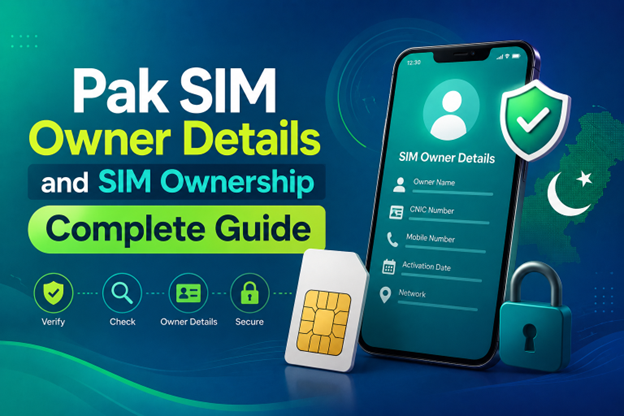
It becomes difficult to understand and navigate SIM card registration and ownership in Pakistan considering all the regulations and the amount of information that is available online. You may have gotten a new SIM card, or you might be curious about how many SIM cards are associated with your CNIC number; in any case, having an understanding of the process is critical.
How to Check SIM Owner Details and Registration Status in Pakistan
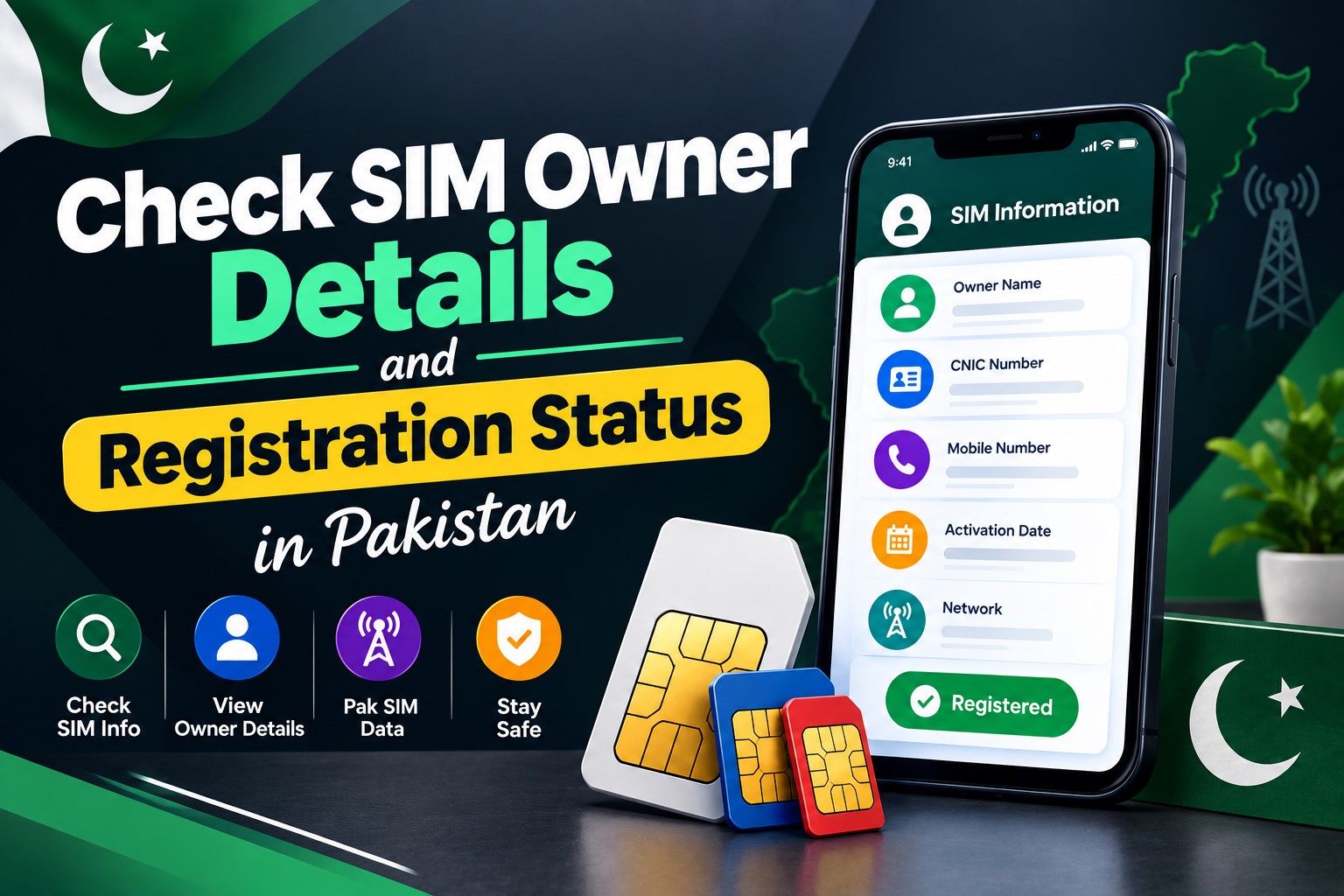
Checking your SIM card details is very important in Pakistan today. Every mobile SIM card is directly linked to your CNIC number through thumb verification. Keeping an eye on your Pak Sim Owner Details protects your identity, stops scams, and makes sure nobody uses your name for wrong activities. Many people search for ways to check their Sim Owner Details 2026 status, see active numbers, and remove unused SIMs. This article explains how you can easily check everything yourself without any trouble.
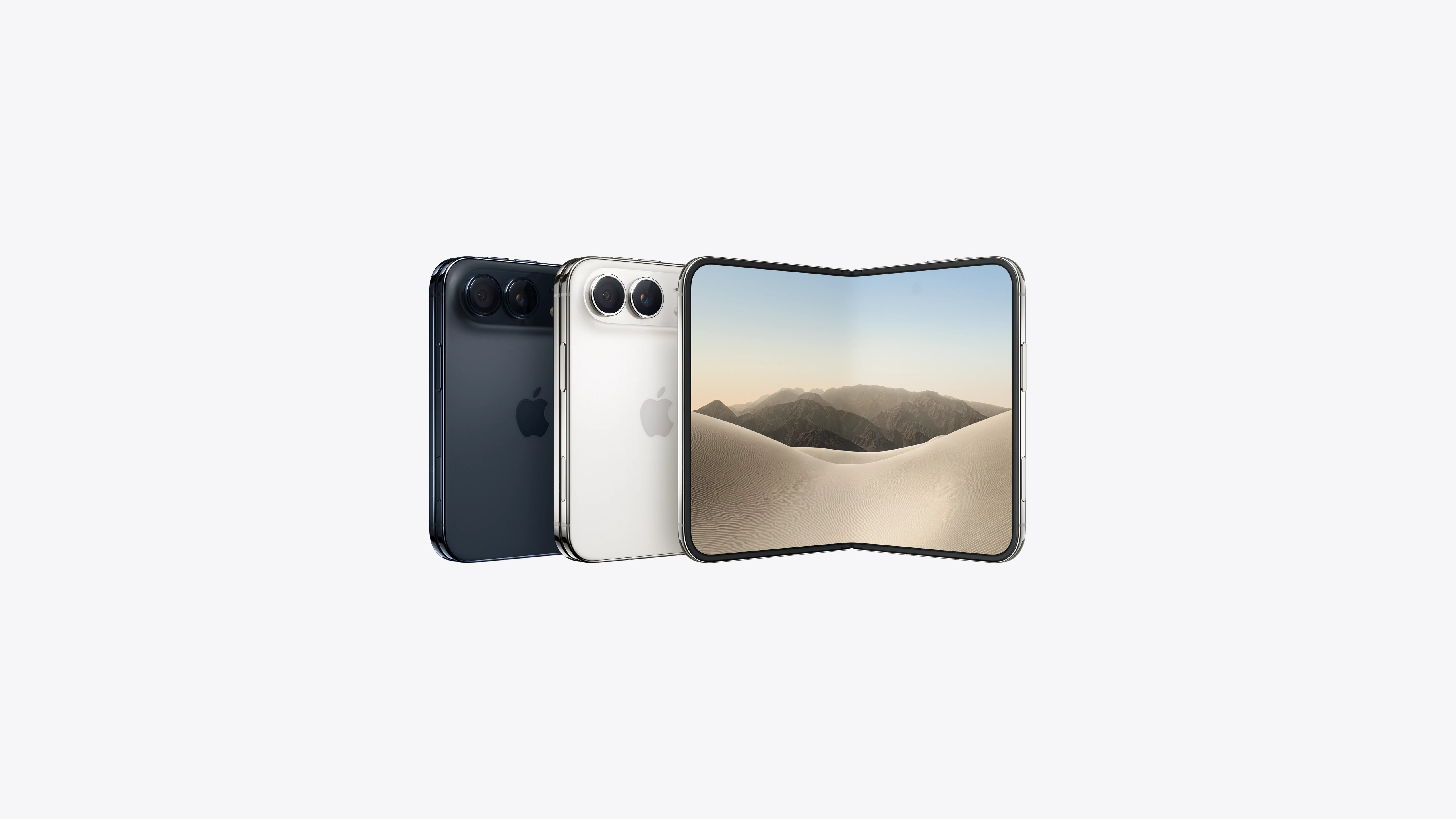
Apple iPhone Duo Review: Foldable iPhone Specs, Price & Features
Apple is entering the foldable smartphone market with the iPhone Duo, a premium foldable iPhone built around two displays, the A20 Pro processor, a titanium construction, dual 48 MP cameras and a redesigned iOS experience focused on multitasking. But the iPhone Duo is interesting for another reason as well. A folding phone is inherently more complex than a conventional smartphone. It has two displays, a precision hinge, multiple operating positions and completely new ways of using cameras and applications.
 चेक आईएमईआई